
What is Open Interest?
If you've ever looked at cryptocurrency futures or options data and seen the term "open interest," you might have wondered what it means and why traders pay so much attention to it. Open interest is actually one of the most valuable pieces of information available to derivatives traders, yet it's often misunderstood by beginners.
Open interest represents the total number of outstanding derivative contracts (futures or options) that have not yet been settled or closed. In simpler terms, it's the number of active contracts currently held by traders in the market. Unlike trading volume, which measures how many contracts were traded during a specific period, open interest tells you how many contracts are still "open" and active.
Think of it this way: if you buy a Bitcoin futures contract, you're entering into an agreement with another trader who's selling that contract. Until one of you closes that position, it remains "open" and contributes to the open interest count. When you eventually close your position by making an offsetting trade, that contract is no longer counted in the open interest.
Key Point: Open interest only counts contracts that are currently open. When a new contract is created (one trader buys, another sells), open interest increases by one. When a contract is closed (a buyer and seller both exit their positions), open interest decreases by one.
Why Open Interest Matters

Understanding open interest gives you insight into market sentiment, liquidity, and the strength of price trends. Here's why it matters:
1. Market Participation: Higher open interest indicates more traders are actively participating in the futures market. This generally means better liquidity, tighter spreads, and easier entry and exit from positions. Low open interest can signal a less active market where it might be harder to execute trades at favorable prices.
2. Trend Strength: When open interest increases alongside a price trend (whether up or down), it suggests new money is flowing into the market and the trend is likely to continue. Conversely, if prices are moving but open interest is declining, it might indicate the trend is weakening as existing positions are being closed rather than new ones being opened.
3. Potential Reversals: Dramatic changes in open interest can sometimes signal upcoming market reversals. For example, if open interest reaches extremely high levels, it might indicate the market is overcrowded with traders on one side, setting up for a potential squeeze or reversal.
4. Market Sentiment: By analyzing open interest in conjunction with price movements and trading volume, you can gauge whether the market is bullish, bearish, or neutral. This three-dimensional view of the market provides much more information than looking at price alone.
How to Read Open Interest Data

Reading open interest effectively requires understanding what the numbers mean and how they change over time. Most cryptocurrency exchanges and data platforms display open interest as a single number representing the total outstanding contracts for a particular futures market.
Finding Open Interest Data: You can find open interest data on most major cryptocurrency exchanges that offer futures trading, including Binance, Bybit, OKX, and CME. The data is typically displayed alongside other market statistics like 24-hour volume, funding rates, and price.
When you look at open interest data, you'll usually see:
- Current Open Interest: The total number of outstanding contracts right now
- Open Interest Change: How much it has increased or decreased over a specific period (usually 24 hours)
- Open Interest Value: The notional value of all open contracts, often displayed in USD
- Historical Chart: A graph showing how open interest has changed over time
The key is not just looking at the absolute number, but understanding the changes and trends. A high open interest number means different things for Bitcoin (where $30 billion in open interest might be normal) compared to a smaller altcoin (where $100 million might be significant).
Interpreting Open Interest with Price Movement
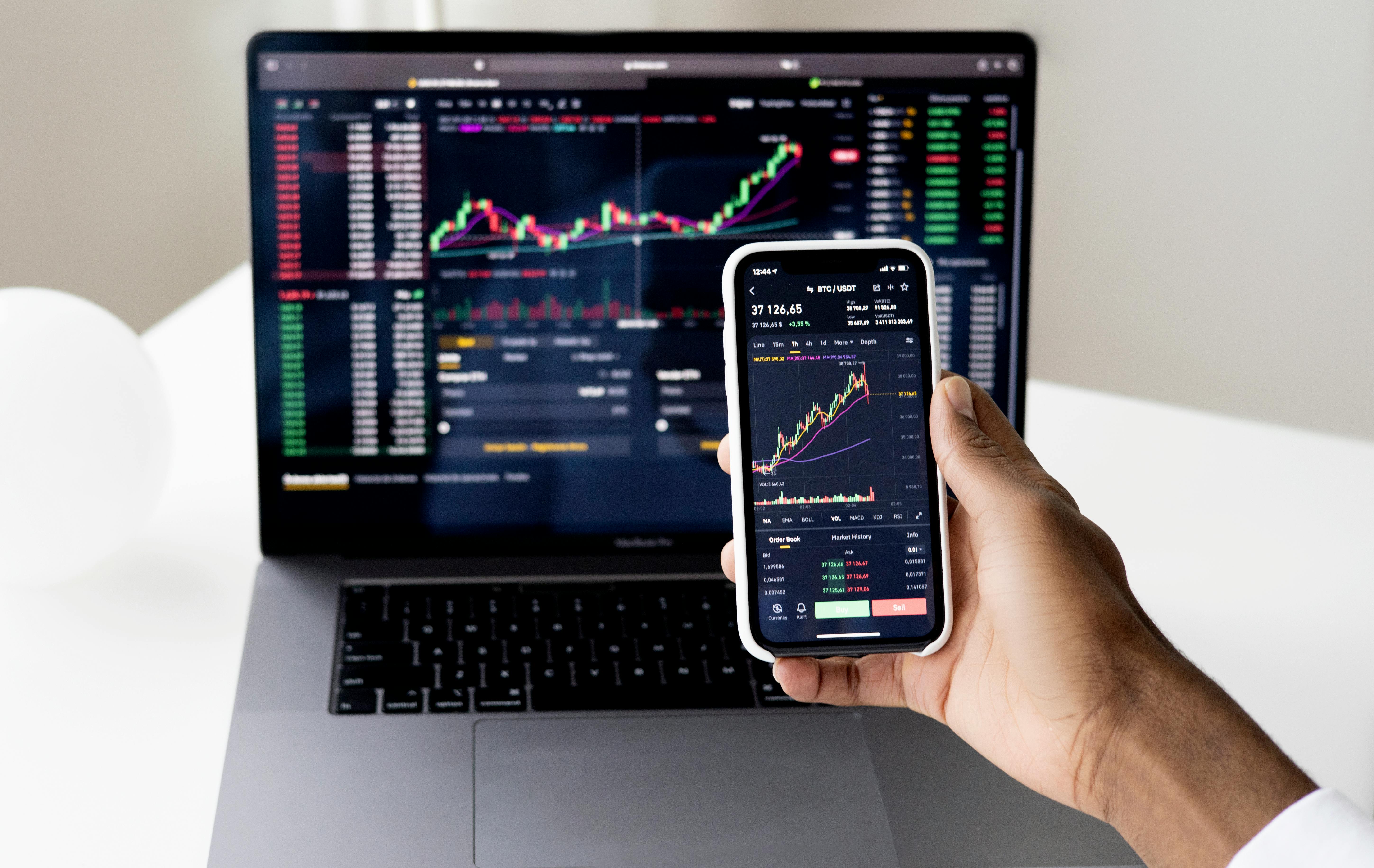
The real power of open interest comes from analyzing it alongside price movements. Here are the four main scenarios you'll encounter:
Scenario 1: Rising Price + Rising Open Interest
This is typically a bullish signal. When both price and open interest are increasing, it means new money is entering the market and supporting the upward price movement. New buyers are opening long positions, and the trend has strong momentum. This is often seen during the beginning and middle stages of a bull run.
Scenario 2: Rising Price + Falling Open Interest
This is generally a bearish signal or at least a warning. When price is going up but open interest is declining, it suggests that the price rise is primarily driven by short sellers closing their positions (buying to exit) rather than new buyers entering. This is called a "short squeeze" and often precedes a reversal. The upward movement lacks the support of new participants.
Scenario 3: Falling Price + Rising Open Interest
This is typically a bearish signal. When price is declining but open interest is increasing, it means new traders are entering the market to short (bet against) the asset. This indicates strong bearish sentiment and suggests the downtrend may continue as more participants pile into short positions.
Scenario 4: Falling Price + Falling Open Interest
This can be a bullish signal or at least suggest the downtrend is weakening. When both price and open interest are falling, it typically means that long position holders are capitulating and closing their positions at a loss. Once this selling pressure is exhausted, the market may be ready to reverse to the upside. This is often seen near the bottom of a bear market.
Remember: These are general guidelines, not absolute rules. Always consider open interest alongside other indicators like trading volume, price action, and broader market conditions. No single indicator should be used in isolation.
Open Interest vs. Trading Volume

Many beginners confuse open interest with trading volume, but they measure completely different things:
Trading Volume measures the total number of contracts traded during a specific time period (usually 24 hours). Every time a contract changes hands, it adds to the volume count. High volume indicates active trading and lots of transactions occurring.
Open Interest measures the number of contracts currently held open. It only changes when new positions are opened or existing positions are closed completely. Two traders could exchange the same contract back and forth all day (creating high volume), but open interest would remain unchanged if the contracts stay open.
Here's a practical example: Imagine 100 traders each buy 1 Bitcoin futures contract on Monday, creating 100 open contracts (open interest = 100). On Tuesday, 50 of those traders close their positions. The trading volume for Tuesday is 50 contracts, but the open interest has decreased to 50 contracts.
Both metrics are valuable, but they tell you different things. Volume shows you how active the market is right now, while open interest shows you how committed traders are to their positions over time.
Practical Examples and Real Trading Scenarios

Example 1: The Pre-Bull Run Signal
In October 2023, Bitcoin's price started climbing from $27,000 toward $30,000. At the same time, open interest on Bitcoin futures increased from $10 billion to $13 billion. This combination of rising price and rising open interest signaled strong bullish momentum, and Bitcoin continued rallying to over $40,000 in the following months. New money entering the market confirmed the trend.
Example 2: The Short Squeeze Warning
In a recent altcoin rally, the token's price jumped 15% in one day, but open interest actually decreased by 20%. This was a red flag indicating that shorts were being squeezed out rather than new buyers entering. Within 48 hours, the price reversed and gave back most of the gains. The rising price without rising open interest lacked sustainable support.
Example 3: The Bear Market Bottom
During a prolonged bear market, an asset's price fell from $100 to $60 over several weeks. Initially, open interest was rising (new shorts entering), but in the final week, both price and open interest dropped sharply. This indicated long holders were finally capitulating. Within days of this capitulation, the price bottomed and began recovering, as the sellers were exhausted.
Common Mistakes When Reading Open Interest
Avoid these frequent errors that beginners make when interpreting open interest data:
Mistake 1: Looking at Absolute Numbers in Isolation
Saying "open interest is at $20 billion" doesn't mean much without context. Is that high or low for this particular asset? What was it last week? Always look at changes and trends rather than absolute values.
Mistake 2: Ignoring the Time Frame
Open interest changes can be measured over different time periods (1 hour, 24 hours, 7 days). A 5% increase in one hour means something very different from a 5% increase over a week. Always check the timeframe.
Mistake 3: Using Open Interest Alone
Open interest is powerful but shouldn't be your only indicator. Combine it with price action, volume, funding rates, and other technical indicators for a complete picture.
Mistake 4: Confusing Open Interest with Volume
As we covered earlier, these measure different things. Don't make trading decisions based on volume when you should be looking at open interest, or vice versa.
Mistake 5: Expecting Immediate Results
Changes in open interest often signal medium to longer-term trends rather than immediate price movements. Be patient and let the signals develop.
Tools and Platforms for Tracking Open Interest
Here are some reliable platforms where you can track open interest data for cryptocurrency futures:
Coinglass: One of the most comprehensive platforms for derivatives data. Offers open interest charts for all major cryptocurrencies across multiple exchanges, including historical data and aggregated statistics. Free to use with premium features available.
TradingView: While primarily a charting platform, TradingView allows you to overlay open interest data on your price charts. This makes it easy to visually correlate price movements with open interest changes. Available for most major cryptocurrencies.
Exchange Platforms: Most major exchanges (Binance, Bybit, OKX) display open interest data directly on their trading interfaces. This is convenient if you're already trading on these platforms, though the data is limited to that specific exchange.
Glassnode: Provides advanced on-chain and derivatives analytics, including detailed open interest metrics. Better suited for serious traders who want deep analytical capabilities. Requires a paid subscription for full features.
CryptoQuant: Offers institutional-grade data including open interest trends, liquidation data, and funding rates. Good for traders who want comprehensive market analytics in one place.
Putting It All Together: A Simple Strategy
Now that you understand how to read open interest, here's a simple framework to incorporate it into your trading decisions:
Step 1: Check the Trend
Look at the price chart and identify the current trend. Is the market moving up, down, or sideways?
Step 2: Analyze Open Interest Direction
Is open interest rising, falling, or stable? Compare the current level to recent history (past week or month).
Step 3: Identify the Scenario
Match your observations to one of the four scenarios we discussed (rising price + rising OI, rising price + falling OI, etc.).
Step 4: Consider Volume and Other Indicators
Confirm your interpretation by checking if volume supports the move, and review other indicators like RSI, MACD, or funding rates.
Step 5: Set Your Expectations
Based on your analysis, determine if the current trend is likely to continue or reverse. This should inform your position sizing and risk management, not necessarily tell you exactly when to enter or exit.
Remember, open interest is a tool for understanding market dynamics and improving your probability of success. It's not a crystal ball that predicts exact price movements. Use it as part of a comprehensive trading strategy that includes proper risk management, position sizing, and emotional discipline.
Final Tip: Start by paper trading or tracking open interest data without risking real money. Watch how changes in open interest correlate with price movements over several weeks or months. This hands-on observation will teach you more than any article can, and help you develop an intuitive feel for what open interest changes mean in different market conditions.
Conclusion
Learning to read open interest is a game-changing skill for any cryptocurrency trader interested in futures and derivatives markets. While it might seem complex at first, the core concept is straightforward: open interest tells you how many contracts are currently active, and changes in this number reveal important information about market sentiment and trend strength.
By understanding the four main scenarios (rising/falling price combined with rising/falling open interest) and avoiding common mistakes, you'll gain a significant edge in your trading. Remember to always use open interest in conjunction with other indicators, maintain proper risk management, and give yourself time to learn through observation and practice.
The markets reward those who put in the work to understand them deeply. Open interest is one of those powerful yet underutilized tools that can help you see what the majority of retail traders miss. Start tracking it today, and you'll quickly notice patterns and opportunities you never saw before.
Happy trading, and may your open interest analysis lead you to better trading decisions!