Introduction

Cryptocurrency trading can seem overwhelming when you're just starting out. With thousands of coins, dozens of exchanges, and endless trading strategies, where do you even begin? This comprehensive guide will walk you through everything you need to know to start trading crypto safely and confidently.
Whether you're looking to make your first Bitcoin purchase or understand how to build a diversified crypto portfolio, this guide covers all the fundamentals. We'll start with the absolute basics and gradually build your knowledge until you're ready to make your first trades with confidence.
What is Cryptocurrency Trading?

Cryptocurrency trading is the act of buying and selling digital assets like Bitcoin, Ethereum, and thousands of other coins with the goal of making a profit. Unlike traditional stock markets, crypto markets operate 24/7, 365 days a year, offering continuous trading opportunities.
There are several ways to trade crypto:
- Spot Trading: Buying and holding actual cryptocurrencies - Futures Trading: Trading contracts based on future price predictions - Margin Trading: Borrowing funds to amplify potential gains (and losses) - Day Trading: Making multiple trades within a single day - Swing Trading: Holding positions for days or weeks to capture larger moves
As a beginner, you'll want to start with spot trading - actually buying and owning the cryptocurrency. This is the simplest and safest way to begin.
Understanding Exchanges and Wallets

Exchanges are platforms where you buy, sell, and trade cryptocurrencies. Think of them as the crypto equivalent of stock brokerages. The most popular exchanges for beginners include:
- Coinbase: Most user-friendly for absolute beginners, great customer support, higher fees - Binance: Largest exchange by volume, lower fees, more trading options - Kraken: Good security reputation, reasonable fees, strong regulatory compliance - Gemini: USA-focused, excellent security, insurance on deposits
KEY POINT: Start with a reputable, regulated exchange that operates in your country. Coinbase or Gemini are excellent choices for US beginners due to their insurance coverage and regulatory compliance.
WALLETS:
Wallets store your crypto securely. There are two main types:
Hot Wallets (Online): Connected to the internet, convenient for active trading. Examples include exchange wallets, mobile apps like Trust Wallet, and browser extensions like MetaMask.
Cold Wallets (Offline): Physical devices like Ledger or Trezor that store crypto offline. Much more secure but less convenient for frequent trading.
WARNING: Never share your seed phrase (recovery words) with anyone. Legitimate companies will NEVER ask for it. This phrase is the master key to your wallet - if someone gets it, they can steal all your crypto.
Getting Started: Your First Steps

Step 1: Complete KYC Verification
Most legitimate exchanges require Know Your Customer (KYC) verification. You'll need to provide: - Government-issued ID (driver's license or passport) - Proof of address (utility bill or bank statement) - Selfie for identity verification
This process typically takes 10-30 minutes and is required by financial regulations.
Step 2: Fund Your Account
Most exchanges accept multiple funding methods: - Bank Transfer (ACH): Lowest fees but takes 3-5 days - Debit Card: Instant but higher fees (2-4%) - Wire Transfer: Fast for large amounts but expensive - PayPal/Venmo: Available on some platforms, moderate fees
Step 3: Make Your First Purchase
Start small! Your first purchase should be an amount you're comfortable losing completely. For most beginners, $50-$200 is appropriate for learning.
Bitcoin (BTC) and Ethereum (ETH) are the safest first purchases because they're the most established cryptocurrencies, most liquid (easy to buy and sell), available on every major exchange, and less volatile than smaller coins.
Essential Trading Concepts
Order Types:
Market Order: Buys or sells immediately at the current market price. Simple but you might pay slightly more than expected during volatile periods.
Limit Order: Sets a specific price at which you want to buy or sell. The order only executes if the market reaches your price. Great for getting better prices but might not fill immediately.
Stop-Loss Order: Automatically sells your position if the price drops to a certain level. Critical for risk management.
PRO TIP: Always use limit orders when possible. They give you more control and often result in better prices.
Understanding Trading Pairs:
Cryptocurrencies trade in pairs, like BTC/USDT or ETH/BTC. The first currency is what you're buying or selling, the second is what you're using to pay.
- BTC/USDT: Trading Bitcoin using Tether (stablecoin pegged to USD) - ETH/BTC: Trading Ethereum using Bitcoin - BTC/USD: Trading Bitcoin directly with US dollars
For beginners, stick to trading pairs with USDT, USDC, or USD. These make it easier to track your gains and losses in familiar currency.
Reading Basic Charts:
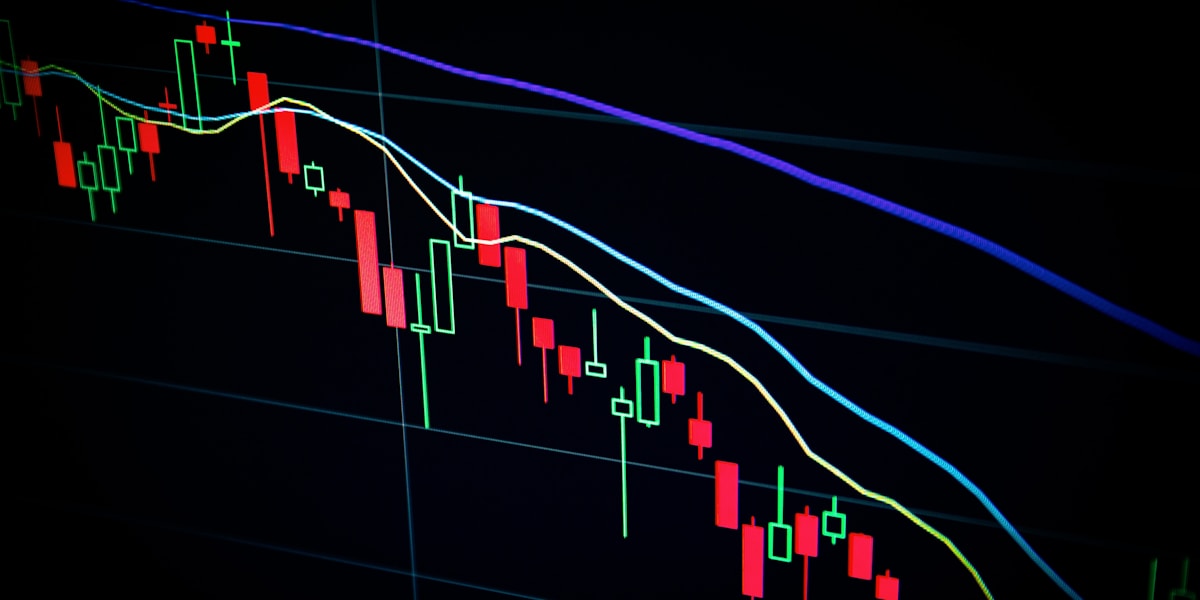
Crypto charts show price movement over time. Key elements include: - Candlesticks: Show open, high, low, and close prices for a time period - Volume Bars: Show how much trading activity occurred - Timeframes: Can view 1-minute to 1-month candles depending on your trading style
Basic Trading Strategies for Beginners

Dollar-Cost Averaging (DCA):
The safest strategy for beginners is dollar-cost averaging - investing a fixed amount at regular intervals regardless of price.
Example: Instead of investing $1,000 all at once, invest $100 every week for 10 weeks. This averages out the price and reduces the risk of buying at a peak.
Benefits: - Removes emotion from timing decisions - Reduces risk of buying at the worst possible time - Easy to automate on most exchanges - Proven to work over long periods
Buy and Hold (HODL):
Simply buy crypto and hold it for the long term (months to years). This strategy works best if you believe in the long-term potential of your chosen cryptocurrencies.
Best for: - People who don't want to actively trade - Those focused on long-term wealth building - Investors who can handle volatility
Swing Trading:
Buying during dips and selling during rallies, typically holding positions for days to weeks. This requires more skill and time than DCA or HODLing.
Requirements: - Basic technical analysis skills - Time to monitor markets daily - Emotional discipline to stick to your plan - Understanding of market cycles
WARNING: Avoid day trading as a beginner. Day trading requires significant experience, capital, and time. 90% of day traders lose money in their first year.
Risk Management Essentials

The 1-5% Rule:
Never risk more than 1-5% of your total portfolio on a single trade. If you have $1,000, that means risking only $10-$50 per trade. This ensures that even a string of losses won't wipe out your account.
Position Sizing:
Determine your position size based on: - Your total portfolio value - The risk percentage you're comfortable with - The distance to your stop-loss
Learn more: Read our comprehensive position sizing guide and use our free trading calculator to determine exact position sizes for your trades.
Using Stop Losses:
A stop-loss automatically sells your position if the price drops to a certain level, limiting your loss. Every trade should have a stop-loss before you enter.
Common stop-loss strategies: - Percentage-based: Set stop at 5-10% below entry - Support-based: Place just below key support levels - ATR-based: Use Average True Range for volatile assets
THE GOLDEN RULE: Only invest money you can afford to lose completely. Crypto is highly volatile and even "safe" investments can drop 50% or more.
Common Beginner Mistakes to Avoid
1. FOMO (Fear of Missing Out) Buying when prices are skyrocketing because you're afraid of missing profits. This usually results in buying near the top before a crash. Wait for pullbacks to enter positions.
2. Panic Selling Selling during a dip out of fear, often locking in losses. If you did proper research before buying, temporary price drops shouldn't change your thesis.
3. Chasing Pumps Jumping into coins that have already pumped 100-500% hoping for more gains. These often crash just as quickly. Focus on fundamentals, not FOMO.
4. Overtrading Making too many trades, racking up fees, and exhausting yourself mentally. Quality over quantity - fewer well-researched trades beat dozens of impulsive ones.
5. Ignoring Fees Trading fees, withdrawal fees, and spread costs add up quickly. Always factor fees into your profit calculations.
6. Not Securing Your Account Weak passwords, no two-factor authentication, or clicking phishing links. Always enable 2FA and use unique passwords.
7. Falling for Scams Common crypto scams include fake giveaways, pump and dump schemes, fake exchanges stealing deposits, and Ponzi schemes promising guaranteed returns.
REMEMBER: If something sounds too good to be true, it is. No legitimate investment guarantees 20%+ monthly returns.
Building Your Trading Knowledge

Essential Resources for Learning:
- CoinMarketCap Learn: Free educational articles on crypto basics - TradingView: Free charting platform to practice technical analysis - YouTube Channels: Coin Bureau, Benjamin Cowen for data-driven analysis - Books: "The Bitcoin Standard" for fundamentals - Practice Accounts: Many exchanges offer demo trading
What to Study First:
Months 1-2: Focus on Bitcoin and Ethereum fundamentals, basic security, using exchanges
Months 3-4: Learn to read basic charts, understand support/resistance, study market cycles
Months 5-6: Study technical indicators (RSI, MACD, Moving Averages), risk management
Months 7-12: Advanced strategies, different asset classes (DeFi, NFTs), portfolio management
Your First 90 Days: A Beginner's Roadmap
Days 1-30: Foundation
✓ Choose and create account on a beginner-friendly exchange ✓ Complete KYC verification ✓ Set up 2FA security ✓ Make your first small purchase ($50-100) ✓ Practice sending crypto between wallets (use small test amounts) ✓ Read about Bitcoin and Ethereum fundamentals ✓ Join crypto communities
Days 31-60: Learning
✓ Start dollar-cost averaging with small weekly purchases ✓ Learn to read basic candlestick charts ✓ Practice identifying support and resistance levels ✓ Paper trade (practice without real money) for 2-3 weeks ✓ Study one technical indicator per week ✓ Keep a trading journal of every decision
Days 61-90: Building Confidence
✓ Make your first calculated swing trade (small position) ✓ Practice proper position sizing ✓ Always use stop-losses ✓ Review your trading journal weekly ✓ Gradually increase position sizes as you gain confidence ✓ Continue education through books and courses ✓ Consider setting up a cold wallet for long-term holdings
Final Thoughts
Crypto trading is a marathon, not a sprint. The most successful traders didn't get rich overnight - they spent years learning, making mistakes, and refining their strategies.
Start small, learn continuously, and never invest more than you can afford to lose. Focus on education and experience in your first year rather than profits. The knowledge you gain will serve you for decades.
Most importantly, don't let short-term losses discourage you. Every successful trader has lost money - what separates them is their ability to learn from mistakes, manage risk properly, and maintain discipline over the long term.
YOUR ACTION PLAN: Right now, choose one exchange, create an account, and make your first small purchase. Don't wait for the "perfect time" or until you've learned everything. The best way to learn is by doing - start small, be patient, and build from there.
The content on this website is provided for information and education only and does not constitute financial advice. We are not regulated or authorised to provide financial advice. You should seek independent advice before making any financial decisions.